Greetings from NEXT Granola-land! This is the first in my NEXT Granola blog series. It is here that I’ll answer what I think are the most often asked questions about NEXT granola, and granola in general.
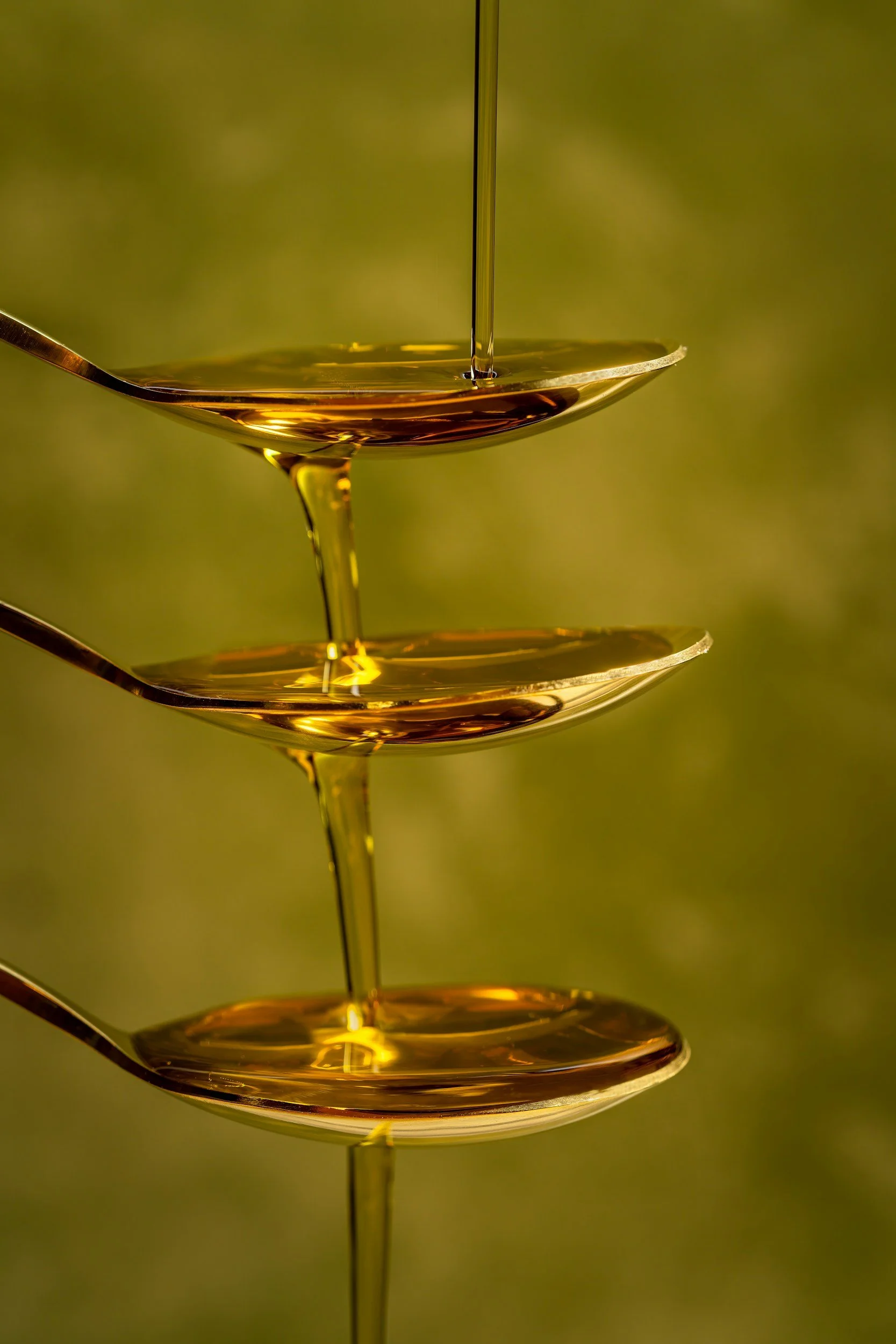
So, let’s dive right in. I thought we’d start with this question: Why do we bake with olive oil? Why olive oil, and not coconut oil? Or, why olive oil and not the more typically used oils/fats in granola?
A short history of granola
It is true that olive oil is not typically used in making granola. In fact, when granola was first invented over 160 years ago, in 1863, no fat was used at all.
It was created by a physician and health reformer, Dr. James Caleb Jackson who ran a sanitarium in New York state. Whole grains were used and it was considered a healthy food. The taste, however, by all accounts, was not at all something you’d say was delicious.
In the next decades granola evolved. It is now a food that typically uses many ingredients besides whole grains, such as fats, nuts, seeds, and dried fruit. It still has the reputation of being a “healthy” food.
Commercial granola, however, on the shelves of grocery stores and markets today runs the gamut of generally being a food consisting of whole grains, seeds, and little to none sweetener, to a granola that is more a dessert food, such as granola with chocolate chunks, chocolate chips and brown sugar. Unlike the origins of granola, today most granolas, even those that aren’t in the “dessert” category are, in fact, sweetened. The usual ingredients today:
Sweeteners: maple syrup, honey, brown sugar, or a combination of these three
Fats: canola oil, coconut oil or butter
A thing about granola is that you can essentially not use typical granola ingredients–ingredients that cater to specific diets, and the mix is still called granola: grain-free granola, nut-free granola, sugar-free granola. Granola is as diverse a food as they come, choices abound—all of which is wonderful.
How olive oil found its way into granola
It was in 2008 that Nekisia Davis of Early Bird Foods, who was working in Brooklyn, NY at the time, introduced olive oil as the fat in a granola recipe she created. It was an immediate sensation.
Martha Stewart of Martha Stewart Living Omnimedia and Melissa Clark of NYTimes Cooking were among the food luminaries who praised the recipe and highlighted it on their own platforms. Olive oil, they said, elevated granola, bringing it to new heights. Food 52 called it a genius recipe.
It was in Food 52’s Genius Recipes cookbook that I first came across this idea of using olive oil to make granola. After making a batch, I, too, became a big fan of it. Olive oil brings a depth to granola that is lacking in granolas using only canola oil or coconut oil. And, as it turns out, olive oil is generally seen as a healthy fat. I was hooked and began to make a lot of granola which eventually turned into a granola business.

Why we make NEXT Granola with olive oil
So, why do we make NEXT Granola with olive oil? There are basically two main reasons:
Nutritional value: extra-virgin olive oil is predominantly a monounsaturated fat, with naturally occurring antioxidants and polyphenols.
Taste: it lets the oats, nuts and seeds shine, and gives the granola a beautiful golden brown color.
Back in 1863, granola started out as a health food product. It didn’t taste good, but it was whole grain and whole grains were good for you. When granola started to be baked with fats, most Americans used butter, lard, shortening and vegetable oils–the fats we were using in our everyday cooking and baking.
Then things changed. Starting in the 1950s, researchers in a well known study called the Seven Countries Study found that people living in Mediterranean countries, such as Greece, Southern Italy, and Spain, had lower rates of heart disease. The diet of these Mediterranean people consisted of foods traditionally available to them—vegetables, legumes, whole grains, fish, nuts, fruit and olive oil.
By the 1990s, olive oil had become strongly associated with healthy eating in America, and its use in cooking expanded rapidly. Use of olive oil in baking expanded less rapidly and perhaps that is why it wasn’t until 2008 that someone had the inspiration to use it in baking granola.
How olive oil compares with other granola fats
Let’s take a closer look at how extra-virgin olive oil compares with some of the other fats commonly used in granola.
| Extra-virgin olive oil | Coconut oil | Butter | Canola oil | |
|---|---|---|---|---|
| Flavor | Stays in the background, lets oats and nuts shine | Tropical, sweet (unrefined) | Rich, buttery | Neutral |
| Texture | Crisp, golden brown | Chunky clusters (solid at room temperature) | Crisp, toasty | Crisp, light |
| Main fat type | Monounsaturated | Saturated | Saturated | Monounsaturated |
| Saturated fat per tbsp | About 2 g | About 12 g | About 7 g | About 1 g |
| Antioxidants & polyphenols | Yes | Few | Few | Few |
| Vegan | Yes | Yes | No | Yes |
Saturated fat figures are approximate, from USDA FoodData Central.
EVOO vs canola oil
Canola oil is a neutral oil that is used in many good quality granola brands. Both canola oil and EVOO are relatively low in saturated fat. Research has shown that EVOO, however, has qualities that canola oil is lacking–naturally occurring plant compounds called antioxidants and polyphenols.
EVOO vs butter
Granola made with butter has a distinctive taste that makes it a popular choice among granola brands. Butter is something we typically love in croissants, pie crusts, cream sauces, and all that wonderful French cooking, so why not in granola?
EVOO is predominantly a monounsaturated fat, while butter contains considerably more saturated fat.
EVOO vs coconut oil
Granola made with unrefined coconut oil has that wonderful, tropical flavor and because it is a solid fat at room temperature, coconut oil can help create those chunky granola clusters.
Coconut oil and EVOO, however, have very different fat profiles: coconut oil is considerably higher in saturated fat, while EVOO is predominately a monounsaturated fat.
EVOO vs avocado oil
Olive oil and avocado oil have similar fat profiles—both are predominately monounsaturated fats.
Does it taste like olives?
For NEXT Granola, I prefer using extra-virgin olive oil with its predominantly monounsaturated fat qualities. Regarding taste—no, it does not taste like olives; similarly, avocado oil does not taste like avocados.
I find extra-virgin olive oil brings out the taste of the other ingredients; it lets the oats, nuts, seeds, and coconut flakes shine while maintaining its presence in the background. Plus, it brings a beautiful golden brown color to the granola that is unparalleled. As they say, “we eat with our eyes.”

I’d love to hear your thoughts, opinions, and experiences with making granola. What ingredients do you use? Do you like avocado oil or coconut oil over olive oil?
Email me at: susan@nextgranola.com
Ready to taste the difference?
